Disclosure: This page may contain affiliate links. We may earn a small commission at no extra cost to you. Learn more.

In today’s competitive job market, understanding how Applicant Tracking Systems (ATS) work is crucial for job seekers. Whether you’re applying for your first job or looking to advance your career, optimizing your resume for ATS is essential. Unfortunately, several myths about ATS can mislead job seekers and hinder their chances of success. In this blog, we’ll debunk 8 common ATS myths with facts and provide actionable tips to help you create an ATS-friendly resume that stands out.
Myth 1: ATS Only Looks for Exact Keyword Matches
Fact: ATS software recognizes variations of keywords, synonyms, and context.
Example: If a job description lists “project management,” modern ATS software can also recognize variations like “managed projects” or “project manager.” So, while it’s important to use relevant keywords, you don’t need to match the job description word-for-word.
Myth 2: Graphics and Tables Will Break ATS Scoring
Fact: Most modern ATS can handle basic graphics and tables, though simplicity is safer.
Example: While older ATS systems may have struggled with these formats, many modern ATS tools can process them. However, to ensure your resume is fully readable, stick to a clean, simple resume layout without overly complex designs.
Myth 3: ATS Automatically Rejects Resumes Without a Perfect Score
Fact: ATS ranks resumes based on relevance; it doesn’t outright reject them.
Example: Even if your resume doesn’t perfectly match the job description, the ATS won’t necessarily discard it. Instead, it will rank your resume based on its relevance. A human recruiter will still review it, so even if your score isn’t perfect, you still have a chance to make an impression.
Myth 4: A One-Size-Fits-All Resume Works for Any Job
Fact: Customizing your resume for each job description significantly improves your ATS score.
Example: Tailoring your resume to each job by including specific keywords and relevant experience increases the chances of getting through the ATS.
Myth 5: ATS Can’t Read PDF Resumes
Fact: Most ATS can read properly formatted PDFs, but Word documents are safer.
Example: Most ATS systems can read PDFs, but some may still have trouble with poorly formatted documents. If in doubt, use a plain text or Word document to ensure readability.
Myth 6: Only Recent Experience Matters to ATS
Fact: ATS considers all relevant experience, not just recent ones.
Example: If you have significant achievements from earlier in your career that are relevant to the job you’re applying for, don’t hesitate to include them. ATS systems assess the relevance of your experience, regardless of when it occurred.
Myth 7: More Keywords Equals a Better ATS Score
Fact: Overloading your resume with keywords can backfire; quality and context matter more.
Example: Focus on integrating keywords naturally into your resume in a way that reflects your actual experience and skills, rather than keyword stuffing.
Myth 8: ATS Scorers Are Infallible
Fact: ATS is a tool, not a decision-maker. Human recruiters still review resumes.
Example: While ATS can rank and filter resumes, the final decision rests with human recruiters. Your resume should not only pass through the ATS but also be compelling and easy to read for the person who ultimately makes the hiring decision.
Use Unbiased AI Resume Analyzers
Understanding ATS systems can give you a significant edge in the job market. While it’s important to make your resume ATS-friendly, it’s equally crucial that it remains appealing to human recruiters.
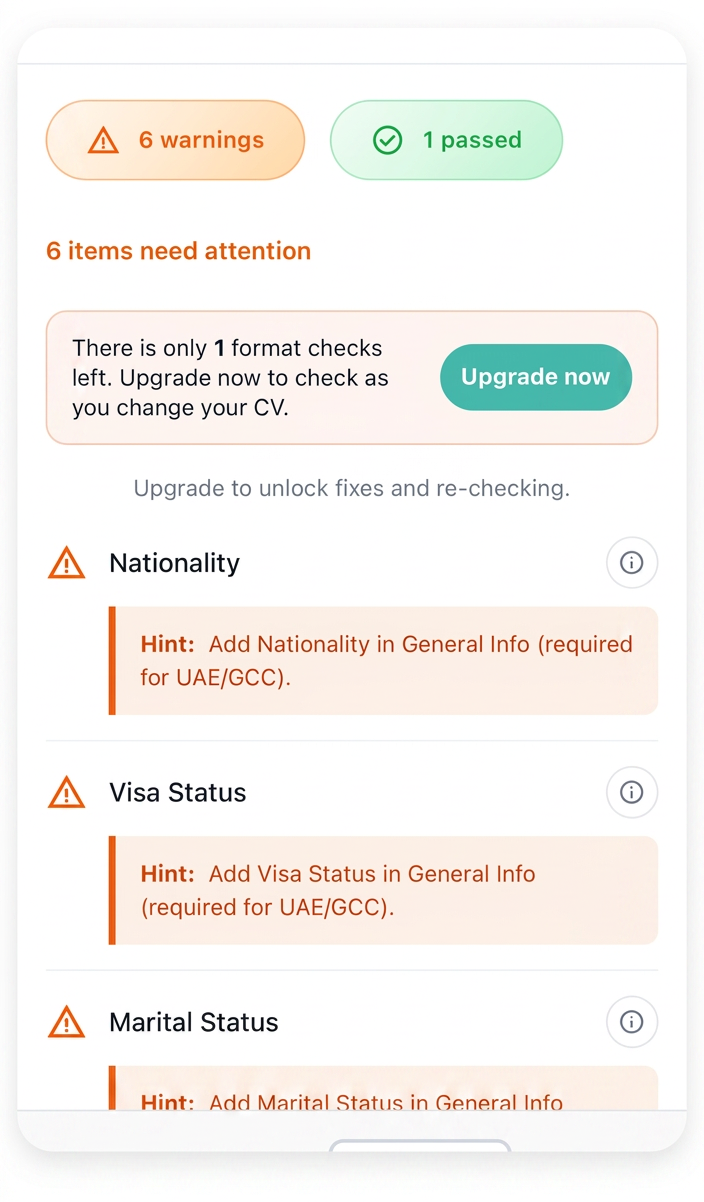
That’s where unbiased AI tools like KudosWall’s AI Resume Analyzer come in. KudosWall’s resume analyzer evaluates your resume’s overall structure, content, and relevance to the job description, providing actionable feedback to improve your chances of landing an interview.
Ready to optimize your resume for success? Try KudosWall’s AI Resume Analyzer today and make sure your resume stands out!


Leave a Reply