Disclosure: This page may contain affiliate links. We may earn a small commission at no extra cost to you. Learn more.

Table of Contents
- Introduction
- How to Stay Relaxed Before the Interview
- Top 20 Interview Questions for 2025–26
- Conclusion & CTA
- FAQ
TL;DR:
This blog explores the top 20 interview questions that every job seeker—whether a fresher or a seasoned professional—should prepare for in 2025–26. You’ll learn why these questions are asked, how to answer them strategically, when to pause, and how to use an interview co-pilot (AI-powered assistant or tool) to practice effectively. The blog also shares tips to help you stay calm, confident, and clear before your interview.
Introduction
In 2025, hiring trends are evolving faster than ever. According to a LinkedIn report, 76% of recruiters now rely on behavioral and situational interview questions to evaluate candidates beyond their resumes. This means interviews are no longer about memorizing answers — they’re about storytelling, reflection, and authenticity.
Whether you’re a Gen Z job seeker stepping into your first role or a millennial professional looking to pivot careers, mastering interview questions can make all the difference.
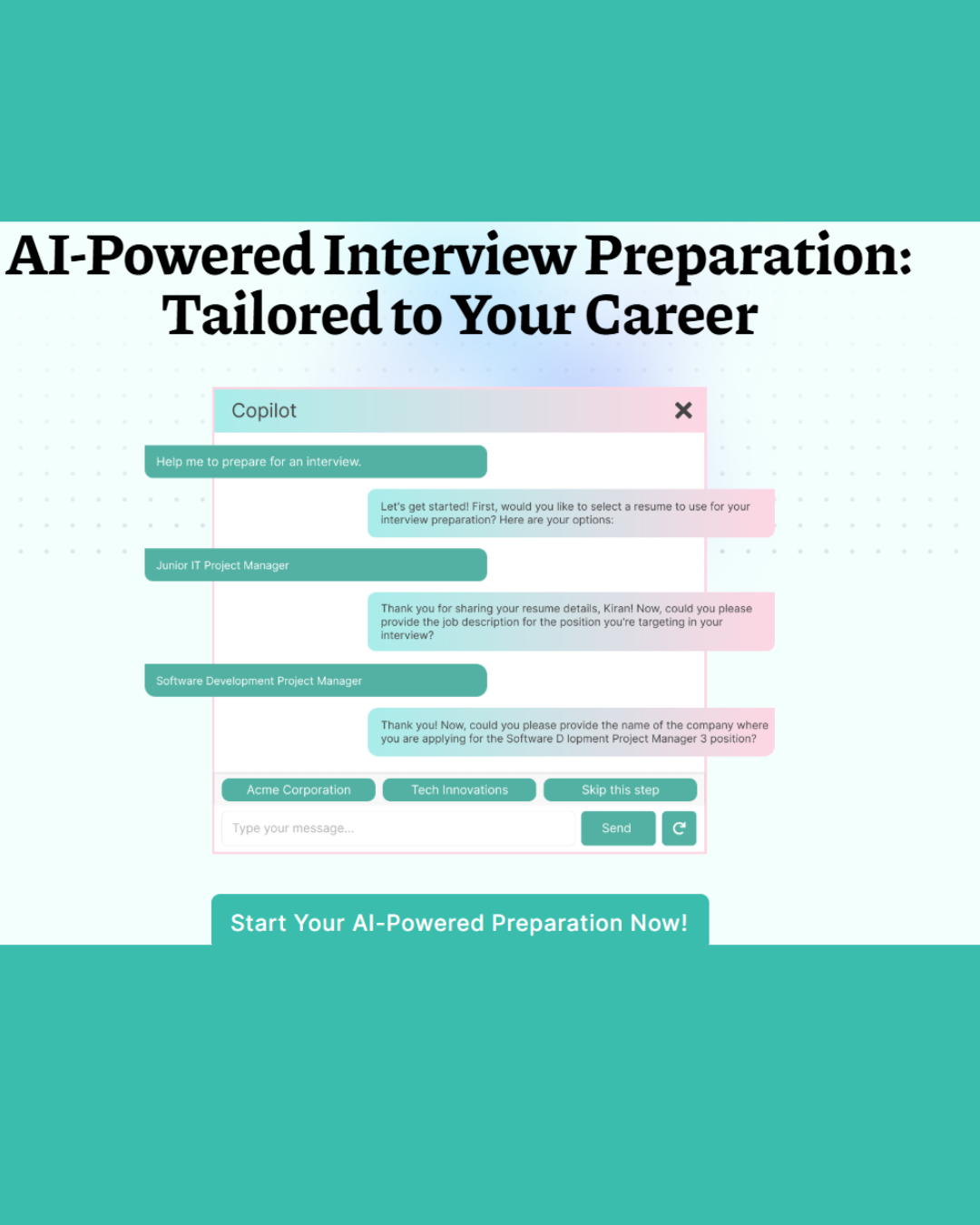
But here’s the truth: even the best candidates struggle to express themselves under pressure. That’s where preparation matters. And that’s where tools like an interview co-pilot can step in — guiding you with sample answers, timing practice, and tone adjustments to make you sound natural and confident.
In this blog, we’ll explore the top 20 interview questions for 2025–26 that recruiters are most likely to ask. We’ll also help you understand how to stay relaxed before your interview and deliver answers that sound both thoughtful and genuine.
How to Stay Relaxed Before the Interview
Before diving into interview questions, let’s talk about your mindset and body language.
Because no matter how well you’ve prepared, if you walk into an interview anxious or tense, your answers might not flow naturally.
Here’s how to calm your nerves and set yourself up for success:
1. Breathe — quite literally.
Deep breathing helps slow your heart rate and steady your voice. Before you enter the room or log into the virtual meeting, take three slow breaths. Inhale for four seconds, hold for four, exhale for four.
2. Prepare, but don’t over-rehearse.
Yes, you need to practice interview questions, but avoid memorizing your answers word-for-word. Over-preparation can make your tone robotic. Instead, use frameworks and bullet points so your delivery sounds conversational.
3. Visualize success.
Imagine yourself walking in, greeting the panel, and speaking confidently. Visualization tricks your brain into feeling more prepared.
4. Use your Interview Co-Pilot.
If you struggle with mock interviews or timing, use an interview co-pilot tool. It can help you simulate questions, track pauses, and refine tone — all from the comfort of your home.
5. Focus on connection, not perfection.
Recruiters aren’t looking for flawless speakers. They’re looking for someone who’s real, composed, and self-aware. So instead of aiming to be perfect, aim to connect.
Top 20 Interview Questions for 2025–26
Below are 20 of the most asked interview questions, why they’re asked, and how to answer them — with examples for both professionals and freshers.
1. Tell me about yourself
Why it’s asked:
To assess your ability to summarize your background clearly.
How to answer:
Structure your answer — present, past, and future. Pause briefly before highlighting key achievements. Keep it under two minutes.
Professional answer:
“I’m a digital marketing executive with three years of experience helping startups grow their online presence. I love analyzing campaigns and turning data into insights. Before this, I completed an advanced certification in analytics, which strengthened my strategic thinking. Now, I’m looking to join a company where I can scale performance campaigns and drive measurable growth.”
Fresher answer:
“I’m a recent graduate in Business Administration. During my internship, I worked on a small digital marketing project that taught me how strategy and creativity work together. I’m excited to apply my learning in a real-world role where I can grow, contribute, and learn from experienced mentors.”
Tip: Smile before you start, take a breath, and speak slowly — this sets a calm tone.
2. What are your strengths and weaknesses?
Why it’s asked:
To evaluate your self-awareness and honesty.
How to answer:
Mention one or two genuine strengths with examples. When sharing a weakness, show how you’re improving it.
Professional answer:
“My strength is my ability to analyze problems calmly under pressure. In my last role, I managed multiple campaigns simultaneously, and my organization skills helped maintain consistency. As for a weakness, I used to take on too much myself, but now I’ve learned to delegate and trust my team more.”
Fresher answer:
“I’m very detail-oriented and often double-check my work, which helps in accuracy. But sometimes, it slows me down. I’m learning to balance speed with quality by setting better time limits.”
3. Why do you want to work here?
Why it’s asked:
To test your understanding of the company and your motivation.
How to answer:
Show that you’ve researched the company and connect its goals with your own.
Professional answer:
“I admire how your company integrates innovation with sustainability. I’ve followed your recent campaigns and appreciate your focus on impact-driven marketing. I believe my background in digital growth aligns well with your mission.”
Fresher answer:
“Your organization’s focus on learning and mentorship really appeals to me. As someone starting my career, I value growth and would love to be part of a team that encourages innovation.”
4. Where do you see yourself in the next 5 years?
Why it’s asked:
Recruiters want to assess your career vision and whether your goals align with the company’s growth path.
How to answer:
Balance ambition with realism. Show commitment to learning and progression.
Professional answer:
“In the next five years, I see myself taking on a leadership role where I can manage larger campaigns and mentor younger marketers. I’m deeply invested in growing within one organization that values innovation and measurable results.”
Fresher answer:
“I see myself learning, contributing, and gradually taking on more responsibility. I want to become an expert in my domain and add meaningful value to the company that gives me my first real opportunity.”
Tip: Take a small pause after saying “In the next five years…” to sound reflective and confident.
5. Why did you leave your previous job?
Why it’s asked:
To gauge your professionalism and whether you left on good terms.
How to answer:
Stay positive and avoid criticizing past employers.
Professional answer:
“I had an incredible experience in my previous company and learned a lot. But after achieving several milestones, I felt ready for new challenges that align more closely with my growth goals.”
Fresher answer:
“I’m just starting my career, so I don’t have prior job experience. But I’ve left behind my student life with strong determination to begin my professional journey.”
Tip: End with a smile and a short pause—it softens transitions between jobs.
6. What are your salary expectations?
Why it’s asked:
To see if your expectations align with the company’s budget.
How to answer:
Always research before answering. Be flexible but confident.
Professional answer:
“Based on my experience and market research, I believe a fair range would be between ₹X and ₹Y. However, I’m open to discussing this further depending on the overall package and growth opportunities.”
Fresher answer:
“I’m open to learning and value the experience more than the number right now. I’m sure your company offers fair compensation for freshers.”
Tip: Keep a calm tone; avoid sounding nervous when mentioning numbers.
7. Can you describe a challenge you faced at work and how you handled it?
Why it’s asked:
To assess problem-solving and emotional maturity.
How to answer:
Use the STAR format — Situation, Task, Action, Result.
Professional answer:
“During a campaign launch, we lost key data hours before the deadline. I coordinated with the analytics team, recreated reports using backups, and communicated openly with stakeholders. We managed to launch on time and later improved data security processes.”
Fresher answer:
“During my final-year project, our presentation file got corrupted just before submission. I stayed calm, recompiled the data with my teammates, and we delivered it successfully. It taught me how to work under pressure.”
8. What motivates you to work?
Why it’s asked:
To understand your internal drivers—passion, learning, or impact.
Professional answer:
“I’m motivated by solving problems that make real business impact. Seeing my work contribute to growth gives me purpose.”
Fresher answer:
“Learning something new every day and being part of a team where my ideas matter keeps me motivated.”
Tip: Speak with warmth here—let your enthusiasm show naturally.
9. Tell me about a time you worked in a team.
Why it’s asked:
Collaboration is key in most roles, and recruiters want to see how you fit in.
Professional answer:
“I led a cross-functional team for a client project. We had creative differences initially, but I initiated weekly syncs to realign goals. That improved communication and helped us deliver on time.”
Fresher answer:
“In college, I worked on a research paper with three classmates. I learned how to divide tasks and handle disagreements while staying focused on our goal.”
10. How do you handle feedback or criticism?
Why it’s asked:
To test humility and growth mindset.
Professional answer:
“I view feedback as an opportunity to grow. When my manager once pointed out I needed to improve reporting clarity, I took it positively and revamped my templates. It helped everyone communicate better.”
Fresher answer:
“I appreciate feedback because it helps me improve. During my internship, my mentor guided me on presentation design, and it made my work more polished.”
11. Describe your ideal work environment.
Why it’s asked:
To check cultural fit.
Professional answer:
“A collaborative, transparent, and goal-oriented environment where new ideas are encouraged.”
Fresher answer:
“An environment that allows learning, teamwork, and open communication.”
Tip: Avoid saying “remote only” or “chill culture.” Keep it balanced and professional.
12. How do you prioritize tasks when everything feels urgent?
Why it’s asked:
To evaluate time management skills.
Professional answer:
“I start by understanding business priorities and breaking tasks into smaller steps. I use tools like Trello to manage timelines efficiently.”
Fresher answer:
“I list my tasks by deadlines and importance. During college, I balanced multiple submissions using this approach.”
13. What’s your biggest professional achievement?
Why it’s asked:
To understand what success means to you.
Professional answer:
“Leading a project that increased client retention by 30% was a defining moment. It proved the value of strategy and teamwork.”
Fresher answer:
“My biggest achievement was completing my capstone project ahead of time and receiving positive feedback from my faculty.”
14. How do you stay updated with industry trends?
Why it’s asked:
To see your initiative and learning attitude.
Professional answer:
“I follow leading industry blogs, attend webinars, and engage in online forums to stay ahead of trends.”
Fresher answer:
“I regularly read newsletters and follow professionals on LinkedIn to understand what’s new in the field.”
15. How do you handle conflict at work?
Why it’s asked:
Conflict resolution reveals emotional intelligence.
Professional answer:
“I believe in addressing issues early. I once had a difference of opinion with a teammate, but after an open conversation, we aligned our goals.”
Fresher answer:
“I try to understand the other person’s point of view and find a middle ground. Communication always helps.”
16. What do you know about our company?
Why it’s asked:
To check your preparation and genuine interest.
Professional answer:
“I’ve followed your company’s growth in the SaaS sector and admire your recent sustainability initiatives. Your focus on innovation aligns with my personal values.”
Fresher answer:
“I researched your recent projects and was impressed by your focus on career development and mentorship. It’s the kind of environment I’d love to grow in.”
17. How do you define success?
Why it’s asked:
Your answer reveals values and priorities.
Professional answer:
“Success is achieving measurable goals while maintaining balance and integrity.”
Fresher answer:
“For me, success means continuous learning and contributing to something meaningful.”
18. What would you do if you disagreed with your manager?
Why it’s asked:
To evaluate your diplomacy.
Professional answer:
“I’d listen carefully first, share my perspective respectfully, and if needed, agree to disagree while supporting the final decision.”
Fresher answer:
“I’d express my views politely, but also be open to understanding their reasoning. It’s about learning from experience.”
19. How do you handle pressure or tight deadlines?
Why it’s asked:
To gauge resilience.
Professional answer:
“I stay organized, focus on priorities, and keep communication transparent with my team. That keeps stress under control.”
Fresher answer:
“I break down the work into smaller goals and keep calm. During exams and projects, this method always worked for me.”
20. Do you have any questions for us?
Why it’s asked:
To test curiosity and engagement.
How to answer:
Always ask something thoughtful.
Professional answer:
“Yes, I’d love to know how success is measured in this role during the first six months.”
Fresher answer:
“What kind of mentorship or training programs does your company offer to new employees?”
Tip:
Never say, “No questions.” Always show genuine interest.
Use tools like Grammarly to avoid any grammatical errors in your answers.
Conclusion & CTA
Preparing for interviews in 2025–26 isn’t just about memorizing interview questions. It’s about understanding intent, showing personality, and staying composed under pressure.
Use this list as your guide. Practice with an interview co-pilot, record yourself answering, and refine your tone, timing, and pauses. Every interview is a learning experience — treat it as a two-way conversation, not a test.

Ready to ace your next interview?
👉 Start practicing your interview questions today with AI-powered mock sessions and feedback tools to boost your confidence before the big day.
FAQ
1. How many interview questions should I prepare for?
At least 20–25 common ones, but focus more on understanding the logic behind each.
2. Can I use AI tools as my interview co-pilot?
Yes, AI-based tools can simulate interviews, suggest improvements, and even score your confidence level.
3. How long should each answer be?
Aim for 1–2 minutes per question. Short enough to stay engaging, long enough to show depth.
4. How do I avoid sounding rehearsed?
Use bullet points to prepare instead of memorizing scripts.
5. What should I do if I forget my answer mid-way?
Pause, smile, and restart with, “That’s a great question. What I meant to say is…”
6. How should freshers prepare differently?
Focus on internships, coursework, and enthusiasm to learn rather than professional experience.
7. What’s one thing interviewers remember most?
Your composure, tone, and how naturally you respond — not perfect wording.
Leave a Reply