Disclosure: This page may contain affiliate links. We may earn a small commission at no extra cost to you. Learn more.

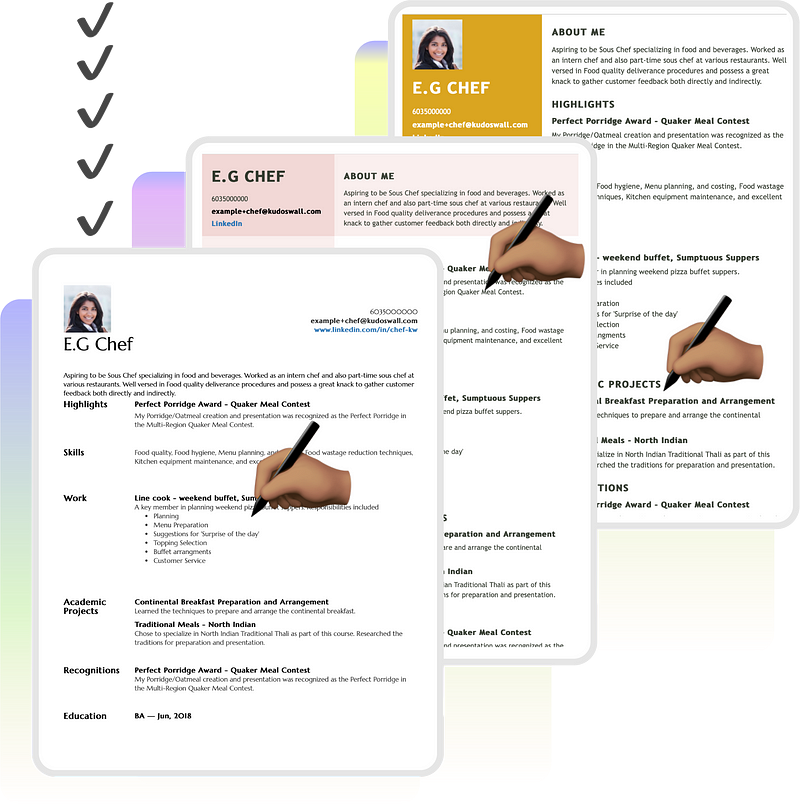
Updating your resume as your career progresses is crucial for standing out in a competitive job market. However, knowing what to include, emphasize, or omit can be a challenge. A well-crafted resume not only showcases your experience but also aligns with the specific needs of the job you’re applying for. Below is an expanded checklist, complete with examples, to help you fine-tune your resume for maximum impact.
1. Highlight Key Experiences Relevant to the Hiring Manager
When revising your resume, your goal is to highlight the experiences that will resonate most with the hiring manager. Start by thoroughly reviewing the job description and identifying the key qualifications and skills the employer is seeking. Then, tailor your resume to emphasize how your past roles align with these requirements.
Example: If you’re applying for a project management role that requires expertise in Agile methodologies, ensure your experience with Agile is prominently displayed. Mention specific projects where you utilized Agile practices to deliver results, such as:
“Led a cross-functional team to deliver a product feature using Agile methodologies, resulting in a 30% reduction in development time.”
This demonstrates not only your technical prowess but also your ability to deliver outcomes that matter to the employer.
2. Strategically Showcase Career Progression
Your resume should tell a story of your professional growth. However, you must decide whether to emphasize your upward trajectory or focus more on the qualifications most relevant to the job at hand. Generally, your most recent and relevant experience should take center stage, with earlier roles mentioned more briefly.
Example: If you’ve steadily advanced from a junior marketing analyst to a senior marketing manager, make sure this progression is clear, but prioritize the responsibilities and achievements from your current or most recent role:
“Promoted from Marketing Analyst to Senior Marketing Manager within three years, overseeing a team of five and driving a 15% increase in lead generation.”
For less relevant roles, provide just enough detail to show career continuity, and encourage hiring managers to visit your LinkedIn profile for more in-depth information.
3. Use the Resume and Cover Letter Combo to Your Advantage
Your resume and cover letter should complement each other. The resume is your snapshot of qualifications, while the cover letter allows you to narrate your professional journey and express your enthusiasm for the role. Utilize the cover letter to explain any career transitions or to highlight how specific experiences make you an ideal candidate.
Example: If you’re transitioning from a sales role to a business development position, use your cover letter to explain how your sales experience has equipped you with the skills to excel in business development:
“My experience in direct sales has honed my ability to identify market opportunities and develop client relationships, which I am eager to apply in a business development capacity.”
The resume, then, should focus on achievements that demonstrate these transferable skills, such as revenue growth or client acquisition.
4. Focus on Results-Oriented Bullet Points
When revising your resume, aim to convert duties into achievements. Bullet points should be concise, impactful, and focused on outcomes that are quantifiable and relevant to the job.
Example: Instead of writing “Managed a team of sales representatives,” say:
“Managed a team of 10 sales representatives, increasing regional sales by 25% within 12 months.”
This approach clearly demonstrates your impact, making it easier for hiring managers to see the value you bring.
5. Maintain a Concise and Focused Resume
Your resume doesn’t need to detail every job you’ve ever had; instead, focus on the most relevant experiences. Typically, a resume should not exceed two pages unless you have extensive experience that is all directly related to the job you’re applying for. The content on the first page is crucial — this is where you must capture the recruiter’s attention.
Example: A seasoned professional with 15+ years of experience might structure their resume to ensure that the first page highlights key achievements and skills most relevant to the job. Any older or less relevant positions can be summarized in a brief “Earlier Experience” section.
Bonus Tip: After crafting your resume, use KudosWall’s AI Resume Builder to tailor it according to the job description and ensure it’s the optimal length. The tool can help you streamline your resume while retaining critical details. Once completed, analyze it using KudosWall’s Resume Analyzer to identify any remaining areas for improvement.
6. Emphasize Industry-Specific Keywords and Skills
To ensure your resume gets noticed, especially by Applicant Tracking Systems (ATS), incorporate industry-specific keywords found in the job description. This enhances your resume’s chances of passing the initial screening.
Example: If you’re in the IT field, terms like “Java,” “cloud computing,” and “cybersecurity” should be woven into your resume where relevant:
“Developed and deployed cloud-based solutions, improving system efficiency by 20%.”
Use these keywords naturally within your accomplishments to align your resume with what the employer is seeking.

7. Review and Update Regularly
Your resume should be a living document, regularly update your resume to reflect your most recent experiences and skills. This ensures that you’re always prepared to apply for new opportunities as they arise.
Example: Set a calendar reminder to review your resume quarterly, updating it with any new projects, certifications, or skills. This way, you’ll never be caught off guard by a sudden job opportunity.
By following this expanded checklist, you can refine your resume to better align with what employers are looking for. Not only will this increase your chances of landing interviews, but it will also help you stand out in a crowded job market. Whether you’re using tools like KudosWall’s AI Resume Builder or manually tweaking your resume, the goal is to create a document that effectively sells your skills and experiences.

Bonus Resources
Here are some resume examples and free resume templates for you to get inspired for the jobs that are in high demand, showcasing various formats and styles that can effectively highlight your skills and experiences. These examples reflect a diverse range of professions and industries, allowing you to tailor your application to the specific role you are aiming for. Whether you’re looking to enhance your current resume or start from scratch, these resume templates can serve as valuable references for you to build your resume and stand out in a competitive job market.
Leave a Reply