Disclosure: This page may contain affiliate links. We may earn a small commission at no extra cost to you. Learn more.

The rise of artificial intelligence is transforming every industry, from healthcare and business analytics to web development and design. Employers today no longer seek only traditional skills; they want professionals who understand how to work with AI-driven tools and adapt to rapid technological change. This shift makes it essential for job seekers and students to focus on learning skills that are not only current but also future-ready.
One of the best ways to prepare for this evolving job market is by enrolling in online learning programs. Platforms like Coursera, Udemy, edX, and FutureLearn now offer specialized training that blends domain knowledge with AI applications. These programs allow learners to develop technical expertise, practical skills, and the confidence to use AI in real-world scenarios.
Whether you are a fresher entering the workforce or a professional aiming to upgrade your skill set, choosing the right program can make all the difference. By exploring different courses, you gain exposure to tools, methods, and applications that enhance your employability across industries. From coding with Python to building AI-enhanced web applications, from analyzing business data to improving healthcare outcomes, AI-driven learning opens new doors for career growth.
In this blog, we highlight different courses tailored to specific career paths such as web development, data science, digital marketing, business analytics, healthcare, and design. Each recommendation is chosen to help learners stay ahead of the curve, adapt to AI advancements, and secure opportunities in a competitive job market.
Why Enroll for an Online Course
In today’s rapidly changing work environment, staying relevant means continuously upgrading your skills. Online courses provide a flexible and accessible way to learn at your own pace while keeping up with industry demands. They help individuals acquire practical knowledge in emerging fields like AI, data science, and digital marketing, which are now integral to modern careers. Beyond technical expertise, these courses also strengthen problem-solving, communication, and adaptability—qualities employers value highly. By enrolling in online programs, you not only expand your skill set but also position yourself as a future-ready professional in a competitive job market.
In this blog we will cover few online certification courses for the below mentioned categories:
Web Developers & Programmers
Data Science & Machine Learning
Digital Marketing
Business Analytics & strategy
Healthcare
Web Developers & Programmers
CS50’s Web Programming with Python and JavaScript (Harvard – edX)
What you will learn:
Focuses on modern web frameworks like Django, APIs, and database design.
Includes hands-on projects to build scalable, AI-ready web apps.
Perfect for beginners to intermediate learners.
Full-Stack Web Development Specialization (Coursera – Meta)
What you will learn:
Covers HTML, CSS, JavaScript, React, Node.js, and databases.
Emphasizes cloud integration and responsive design.
Prepares learners for real-world, full-stack developer roles.
Machine Learning in Java Script with TensorFlow.js (Udemy)
What you will learn:
Teaches integration of AI models into web apps.
Learn to add features like image recognition, chatbots, and predictive search.
Ideal for developers who want to future-proof their coding skills.
Data Science & Machine Learning
IBM Data Science Professional Certificate (Coursera)
What you will learn:
Matplotlib
Predictive Modeling
Regression Analysis
Data Visualization Software
Data Mining & Wrangling
Exploratory Data Analysis
Deep Learning Specialization (Coursera – Andrew Ng, Stanford/DeepLearning.AI)
What you will learn:
LLM (Large Language Modeling)
Applied Machine Learning
Machine Learning Algorithms
Debugging
Deep Learning
Applied Data Science with Python (University of Michigan – Coursera)
What you will learn:
Python Programming
Database Systems
Application Programming Interface
Restful API
Relational Databases
Digital Marketing
AI in Digital Marketing (Udemy)
What you will learn:
Developing AI skills – Using SQL
AI & Machine Learning
Chatbots
Learning Semantic search
Advertising
Digital Marketing Specialization (Coursera – University of Illinois)
What you will learn:
SMM
Digital Marketing Analytics
3D Printing
Google Analytics
Data Analysis
Google Analytics 4 (Skillshop – Free)
What you will learn:
Learn GA4 + AI-powered insights.
Business Analytics & Strategy
Business Analytics Specialization (Wharton – Coursera)
What you will learn:
Data-driven decision-making,
Customer analytics
Financial Statement Analysis
Talent Management
Customer Insights
Descriptive Analysis
AI for Everyone (Andrew Ng – Coursera)
What you will learn:
AI & ML
Data Ethics
Business Ethics
Deep Learning
Engineering Management
Artificial Neural Network
Resources for Business Analysts
Business Analyst Headline Generator: Your LinkedIn Headline helps recruiters discover you, acting as a career magnet. A strong resume headline is crucial for both ATS and human reviewers. You can create 15 free variations with KudosWall’s Business Analyst Headline Generator.
Business Analyst Resume Templates, Examples & Keyword Guide (2026): Use these updated templates and examples to gain an edge over the competition.
Healthcare
AI in Healthcare Specialization (Stanford University)
What you will learn:
Teaches how AI is applied in medical imaging, drug discovery, and patient monitoring.
Covers ethical and practical challenges of AI in healthcare.
Ideal for doctors, healthcare workers, and tech professionals entering med-tech.
AI for Healthcare Nanodegree (Udacity)
What you will learn:
Focus on deep learning applications in diagnostics and electronic health records (EHRs).
Includes real projects like building medical imaging models.
Prepares learners for AI healthcare analyst or developer roles.
Fundamentals of Digital Health in Hospitals (FutureLearn – King’s College London)
What you will learn:
Covers how AI and digital systems improve patient care.
Teaches how to implement digital health strategies in healthcare institutions.
Perfect for non-technical healthcare professionals adapting to AI tools.
Access Pathways for Higher Education
What you will learn:
Flexible online Level 3 diplomas for adults who want to get qualified for university without traditional entry requirements.
Choose from healthcare-focused pathways including Nursing, Midwifery, Paramedic Science, Radiography, and Health and Social Care.
Full tutor support, assignment-based assessment (no exams), flexible enrolment and accepted by over 140 UK universities – study entirely from home.
Resources for Healthcare Jobs
Healthcare Cover Letter Examples
Registered Nurse (RN) Salary and Career Insights
Designing & Creative Careers in the AI Era
UI/UX Design Specialization (CalArts – Coursera)
What you will learn:
Covers fundamentals of user experience and interface design.
Teaches design thinking, wireframing, and prototyping.
Helps freshers and professionals build job-ready design portfolios.
AI-Powered Graphic Design with Canva & Adobe Firefly (Udemy)
What you will learn:
Learn to use AI tools for instant design creation.
Covers generative AI, text-to-image, and automation for creatives.
Perfect for freelancers and entry-level designers.
Interaction Design Foundation (Self-Paced Platform)
Offers industry-recognized courses on UX research, usability, and accessibility.
Includes updated modules on AI’s role in human-centered design.
Builds strong foundations for careers in product and UX design.
How a Strong Resume Can Highlight Your Skills
Learning new skills through online courses is just the first step—showing them off effectively is where a strong resume comes into play. Employers often receive hundreds of applications, and your resume acts as your personal spotlight. It’s not just a list of certificates; it’s your chance to tell a story about how your skills connect to the role you’re aiming for.
Imagine completing a course in AI-powered web development or business analytics. Instead of simply writing “Completed Coursera course,” you can highlight the outcomes: “Built an AI-driven web app using TensorFlow.js” or “Analyzed datasets with Python to generate predictive insights.” Specific achievements immediately tell employers you’ve gone beyond theory and applied your learning.
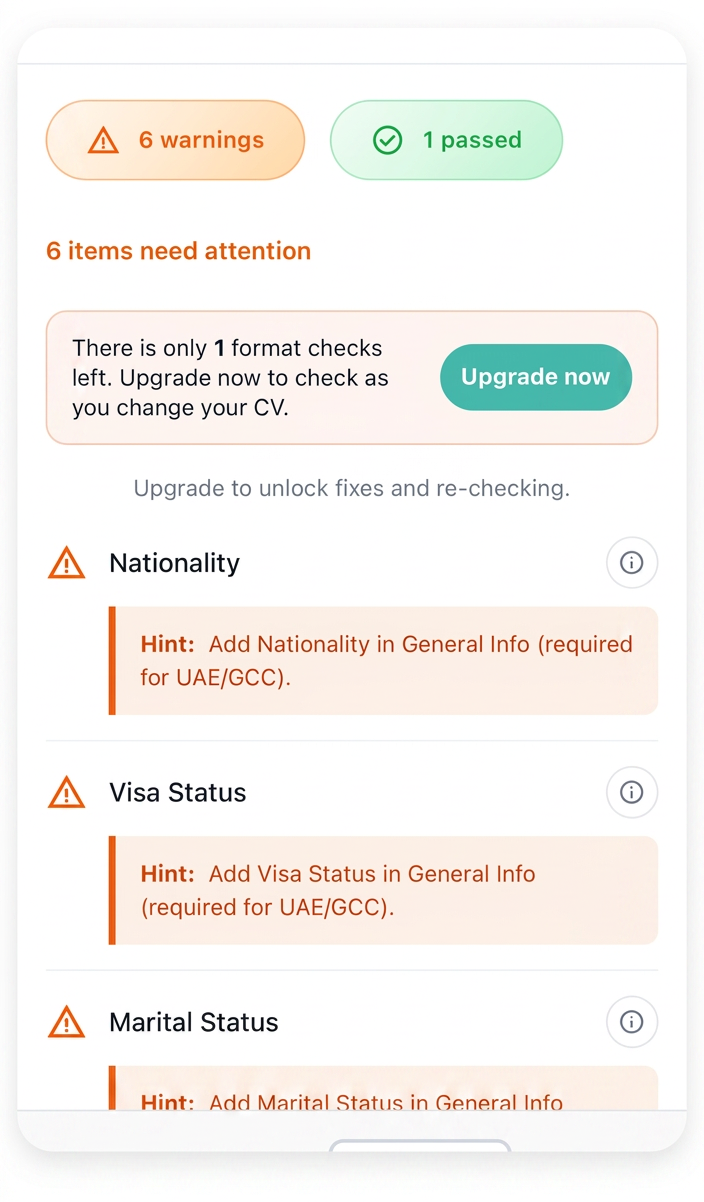
A strong resume helps you get past applicant tracking systems (ATS). By using important keywords from job descriptions—like “data visualization,” “UX design,” or “digital health solutions”—you keep your resume from getting overlooked. Try KudosWall’s Free ATS Score Checker to see how well your resume matches the job description before applying. This easy step boosts your chances of being noticed by recruiters.
Think of your resume as the bridge between your learning and your dream job. By framing your online courses as tangible skills and results, you show employers you’re not just learning, you’re ready to deliver.
Conclusion
The job market may feel more competitive than ever, especially with AI reshaping industries at lightning speed. But here’s the good news: you don’t have to be left behind. By enrolling in the right online courses, you equip yourself with future-ready skills that employers value.
Pair those skills with a strong, strategically written resume, and you create a powerful combination. It’s about showing not only what you’ve learned, but also how you can apply it in real-world scenarios. That’s what makes recruiters stop and say, “This candidate is worth a call.”
So whether you’re stepping into the workforce for the first time or looking to shift careers, start investing in yourself today. Each new skill is an opportunity, and each opportunity brings you one step closer to landing the job you’ve been working toward. The future of work is changing—make sure you’re changing with it.
Why should I invest in online courses when I already have a degree?
A degree gives you a strong foundation, but online courses help you stay updated with emerging technologies like AI, data science, and digital health. They provide practical, hands-on skills that employers actively look for today.
How do I choose the right online course for my career?
Start by identifying your career goals. If you’re into coding, look at web development or data science. If you’re creative, explore UI/UX design or AI-powered graphic tools. Always check course reviews, instructors, and whether the content is industry-relevant.
Will these online courses really improve my chances of getting hired?
Yes. Employers value candidates who show initiative in upskilling. Adding certifications and project work from courses to your resume demonstrates both technical ability and adaptability—two key traits in today’s AI-driven job market.
How should I showcase these online courses on my resume?
List them under Certifications or Professional Development, but go beyond just naming the course. Highlight outcomes like: “Built an AI chatbot using Python” or “Created predictive models with business data using SQL.” This shows applied skills, not just participation.
Can online courses replace traditional degrees?
Not entirely. Degrees still provide structured learning and credibility. However, online courses complement them by bridging the gap between academic knowledge and real-world applications—especially in fast-evolving fields like AI.

Leave a Reply