
Disclosure: This page may contain affiliate links. We may earn a small commission at no extra cost to you. Learn more.

Introduction: Why Traditional Resumes Aren’t Always Enough
In today’s hypercompetitive job market, a traditional resume doesn’t always cut it. Recruiters aren’t just scanning for dates and job titles—they’re searching for potential. For those without extensive experience, such as fresh graduates, career switchers, or gig workers, a chronological resume can feel like a roadblock rather than a showcase.
Enter the skill-based resume.
Built for the modern job-seeker, this format highlights what you can do, not just where you’ve been. It brings your transferable skills to the front line, showing recruiters exactly how you add value—without being buried in employment timelines. In the age of applicant tracking systems (ATS), formatting your resume with tools like an artificial intelligence resume builder and checking with an ATS score checker has become more than just useful—it’s essential.
What Is a Skill-Based Resume?
A skill-based resume, also known as a functional resume, prioritizes competencies over chronology. Instead of listing your work history from newest to oldest, it spotlights your strengths, aptitudes, and areas of expertise.
This format is ideal when:
- You’re switching industries or roles.
- You have employment gaps.
- You’ve done project-based or freelance work.
- You’re fresh out of college and light on job experience.
The goal is simple—shine a spotlight on your skills first, and back them with examples. With the help of an artificial intelligence resume builder, even those unfamiliar with the format can structure a compelling narrative. And before submission, an ATS score checker ensures you’re speaking the same language as the bots screening your application.
Key Elements of a Skill-Based Resume
1. Headline and “Bio Myself” Section
Start strong with a crisp headline. Follow it up with a short “bio myself” paragraph—a personal pitch that captures your identity, goals, and strengths.
Example:
“Aspiring Data Analyst with a passion for data visualization and predictive modeling. Skilled in SQL, Tableau, and Python, with a strong foundation in business analytics.”
This intro sets the tone and gives hiring managers context at a glance.
2. Skills Summary Section
Group your abilities into categories. For instance:
- Technical Skills: SQL, Excel, Power BI
- Analytical Skills: Forecasting, Market Analysis, Data Mining
- Soft Skills: Communication, Time Management, Collaboration
Use bullet points and tailor your wording to include role-specific keywords. A well-optimized section here performs well on an ATS score checker and ensures your application doesn’t fall into the digital void.
3. Professional Accomplishments or Projects
Back up your skills with real examples. Showcase results, even if they came from academic work, freelance gigs, or internships.
Example:
“Led a team of 3 to analyze customer churn patterns, resulting in a 15% increase in retention strategies through dashboard reporting.”
These achievements provide proof, build credibility, and differentiate you from others with similar skills.
4. Education & Certifications
List only relevant degrees and certifications. Prioritize recent or industry-specific qualifications.
Example:
- B.Sc. in Computer Science – XYZ University
- Google Data Analytics Certificate
- Coursera Python for Everybody Specialization
Recent upskilling goes a long way in validating your enthusiasm and adaptability.
5. Tools & Technologies
Mention tools you’re familiar with. Employers love to see platform-specific readiness.
Examples:
- Google Analytics, HubSpot
- Figma, Adobe XD
- Tableau, MySQL, RStudio
This section makes your resume modern, job-ready, and recognizable to an ATS score checker.
6. Awards, Internships, Volunteering
Don’t skip this. Leadership in a college club, community involvement, or winning a hackathon shows initiative and drive.
Example:
- Volunteered at Code4Cause, teaching underprivileged kids HTML
- Runner-up, Intercollegiate App Development Challenge
Human and machine readers alike appreciate a well-rounded profile.
Optimizing for ATS (Applicant Tracking Systems)
Applicant tracking systems filter resumes before a human ever sees them. If your resume lacks formatting or relevant keywords, it may never reach the next step.
Here’s how to beat the bots:
- Use job description keywords naturally
- Stick to clean, minimalist templates
- Avoid tables, graphics, and fancy fonts
- Choose standard headings (e.g., Skills, Education)
- Save in .docx or PDF (as per requirement)
Using an artificial intelligence resume builder simplifies this. It auto-formats your content while suggesting keywords. Once you’re done, test your draft with an ATS score checker to ensure it ranks well.
Common Mistakes to Avoid
Avoid these missteps that weaken your resume:
- Generic Skills: Replace “hardworking” or “good communicator” with measurable competencies.
- Overload: A cluttered resume repels attention. Keep it clean and concise.
- Irrelevance: Tailor your skills to the role you’re applying for. Irrelevant skills dilute impact.
- Ignoring Keywords: Job-specific terms boost your ATS ranking. Every role has its language—speak it.
Leverage the intelligence of an artificial intelligence resume builder to avoid these pitfalls. Most tools now come equipped with suggestions based on industry standards and roles.
How Kudoswall Can Help
Kudoswall simplifies resume building with intelligent, beginner-friendly tools. Here’s how it supports your skill-based resume journey:
- Artificial intelligence resume builder for structure, formatting, and content suggestions
- Real-time keyword and layout suggestions for better readability
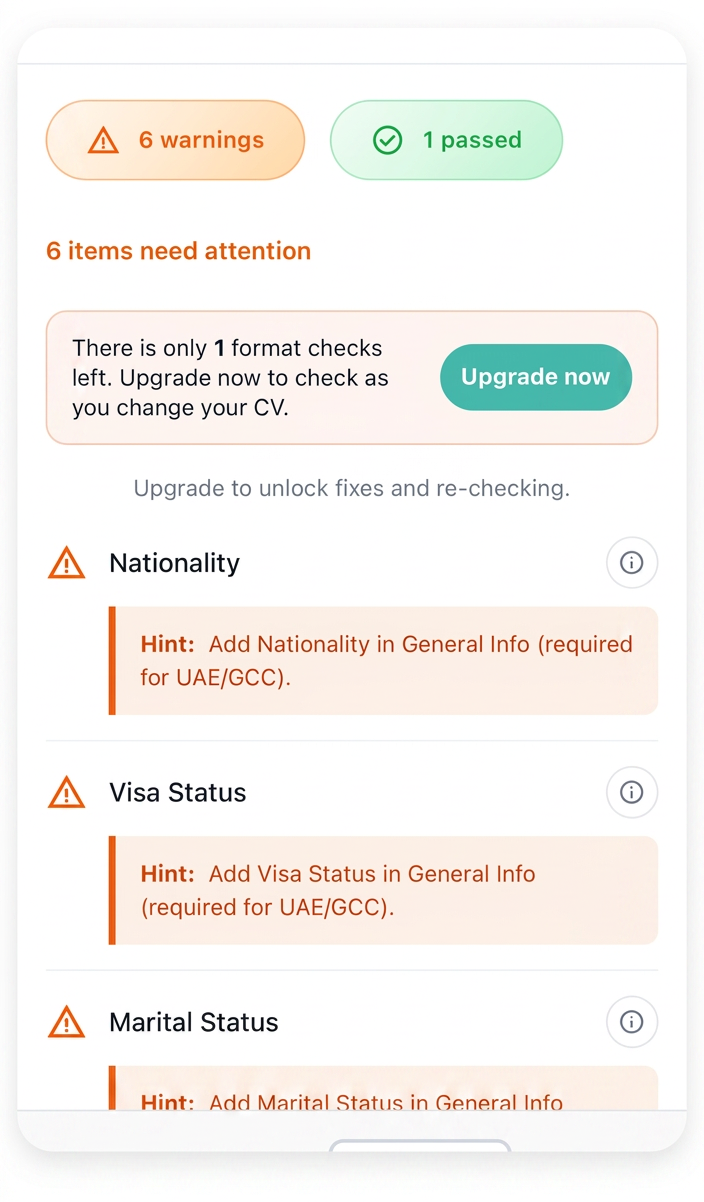
- ATS score checker to evaluate compatibility with hiring systems
- Built-in bio generators to help craft your “bio myself”
- Portfolios and project links integration for showcasing work samples
Whether you’re starting out or reinventing your professional story, Kudoswall helps you build with clarity and confidence.
Conclusion
In a world where talent is everywhere and attention spans are shrinking, your resume must speak fast and loud. A skill-based resume helps you cut through the noise by focusing on strengths, not titles.
Build your personal narrative around what you can do, not just what you have done.
With the right tools—like an artificial intelligence resume builder and a reliable ATS score checker—you can make every word count. Take ownership of your story, align your strengths with opportunities, and put your best self forward.
Now is the time. Build smarter. Brand stronger. Start your skill-based resume on Kudoswall today.

Leave a Reply