
Disclosure: This page may contain affiliate links. We may earn a small commission at no extra cost to you. Learn more.

“When the ground beneath your career feels unsteady, the only way to find balance is to look within—because while the tech world may shift overnight, your inner calm can remain unshaken.”
Living on the Edge: The New Normal in Tech
The tech world is no stranger to change. One day, you’re building the next big thing; the next, you’re caught in a wave of restructuring. Mass layoffs, startup collapses, rapid automation—uncertainty isn’t an exception anymore. It’s the norm.
Yet amid this turbulence, mindfulness emerges not just as a coping tool, but a lifeline. It grounds the mind, softens the panic, and brings clarity when the future feels blurry.
The Silent Strain of Tech Anxiety
Professionals in tech often carry invisible burdens. Tight deadlines, looming product launches, and the pressure to upskill at warp speed contribute to chronic stress. When the job market adds uncertainty to the mix, anxiety levels often escalate quietly, gnawing at confidence and emotional stability.
What begins as worry can spiral into sleepless nights, low morale, and burnout.
Mindfulness doesn’t eliminate the problem—but it equips you to face it with presence and inner calm.
What Is Mindfulness, Really?
Mindfulness isn’t a buzzword. It’s the simple, intentional act of being fully present in the moment—without judgment.
It means paying attention to your breath while you code. Noticing the tension in your shoulders during back-to-back meetings. Realizing you’re overthinking your future and gently bringing yourself back to now.
It doesn’t require incense or chanting. Just a willingness to pause and observe.
1. Breathwork for Immediate Calm
Breath is our most accessible anchor. When your mind races—before a performance review or after hearing layoff rumors—conscious breathing can regulate your nervous system within seconds.
Technique: Box Breathing
- Inhale for 4 seconds
- Hold for 4 seconds
- Exhale for 4 seconds
- Hold for 4 seconds
Repeat this cycle for 4-5 minutes.
This technique helps activate the parasympathetic nervous system, easing tension and restoring clarity.
Why it works: You can’t breathe slowly and stay panicked. The body follows the breath.
2. Mindful Mornings: Set the Tone
How you start your day matters. Instead of reaching for your phone first thing, create a 10-minute window for mindfulness.
Try This Morning Routine:
- 2 minutes: Sit quietly and breathe
- 3 minutes: Journal how you feel
- 5 minutes: Read or listen to something uplifting (a podcast, a quote, a positive article)
By anchoring your morning in stillness, you create an emotional buffer for the day ahead.
3. Focus on What You Can Control
Uncertainty creates mental clutter. Your brain loops on “what ifs”—most of which never happen. Mindfulness redirects attention to what is actionable.
Practice:
- List what is within your control (your work ethic, learning, time management)
- List what isn’t (layoffs, market shifts, leadership decisions)
Let go of the second list—completely.
Shifting focus reduces helplessness and increases emotional resilience.
4. Walking Meditation for Midday Reset
A 10-minute mindful walk can do wonders—especially when your screen starts to blur and your brain hits a wall.
How to Practice Walking Meditation:
- Walk slowly and observe your surroundings.
- Feel each footstep.
- Notice your breath, the wind, the sounds.
- If thoughts arise, acknowledge them and gently return to the present.
This movement-based meditation refreshes your body and clears mental fog.
5. Gratitude Journaling to Reframe Reality
When things feel unstable, it’s easy to fixate on loss. But your brain can’t hold fear and gratitude at the same time.
Daily Prompt:
Write down 3 things you’re grateful for—daily.
They can be big (supportive partner) or small (hot coffee on a rainy day).
This practice shifts your neural patterns toward optimism, even in crisis.
6. Digital Detox: Carve Space to Just Be
Constant digital exposure—Slack pings, LinkedIn layoffs, Twitter trends—amplifies anxiety.
Mindful Boundaries to Try:
- Turn off notifications after 8 PM
- Limit doom-scrolling to 10 minutes (use a timer)
- Avoid checking emails first thing in the morning
Tech workers need to unplug to protect their peace. Presence needs quiet to flourish.
7. Loving-Kindness Meditation to Ease Self-Criticism
Layoffs or career stagnation often lead to harsh self-talk. Loving-kindness meditation replaces that inner critic with compassion.
How to Practice:
Close your eyes and repeat silently:
- May I be safe.
- May I be strong.
- May I be happy.
- May I live with ease.
Then, extend these wishes to your team, your company, even those being let go. This practice softens judgment—toward self and others.
8. Mindfulness at Work: Micro-Moments of Awareness
Mindfulness isn’t limited to a cushion or a yoga mat. It can be woven into your workday.
Try These Mindful Moments:
- One deep breath before joining a meeting
- One-minute pause before replying to a triggering email
- Silent 30 seconds while switching tasks
Each pause builds resilience, and over time, rewires your stress response.
9. Compassionate Self-Inquiry: Be Curious, Not Critical
Ask yourself:
- What am I feeling right now?
- Is it based on fact or fear?
- What do I need in this moment?
This reflective habit allows you to meet uncertainty with wisdom, not worry. You’re not weak for feeling overwhelmed—you’re human.
10. Building a Mindful Routine That Lasts
Start small. One technique. One breath. One habit at a time. You don’t need to master mindfulness overnight.
Integrate it into your workday, your commute, your coffee breaks. Make it yours.
Over time, these practices will create emotional stability, even when everything around you is shifting.
Conclusion: Anchor Yourself in the Now
In tech careers where change is constant, anxiety is natural—but suffering is optional. Mindfulness doesn’t solve uncertainty, but it transforms your relationship with it.
It helps you pause, breathe, reframe, and respond—not react. In a sea of unknowns, it becomes your steady ground.
Final Thought:
Anchor Yourself in the Now—And Prepare for What’s Next
In tech careers, unpredictability is part of the journey. While mindfulness equips you to handle today with calm and clarity, it’s just as important to stay prepared for what may come next—whether it’s a breakthrough opportunity or an unexpected career shift.
Keep your skills sharp, your mindset grounded, and your resume ready.
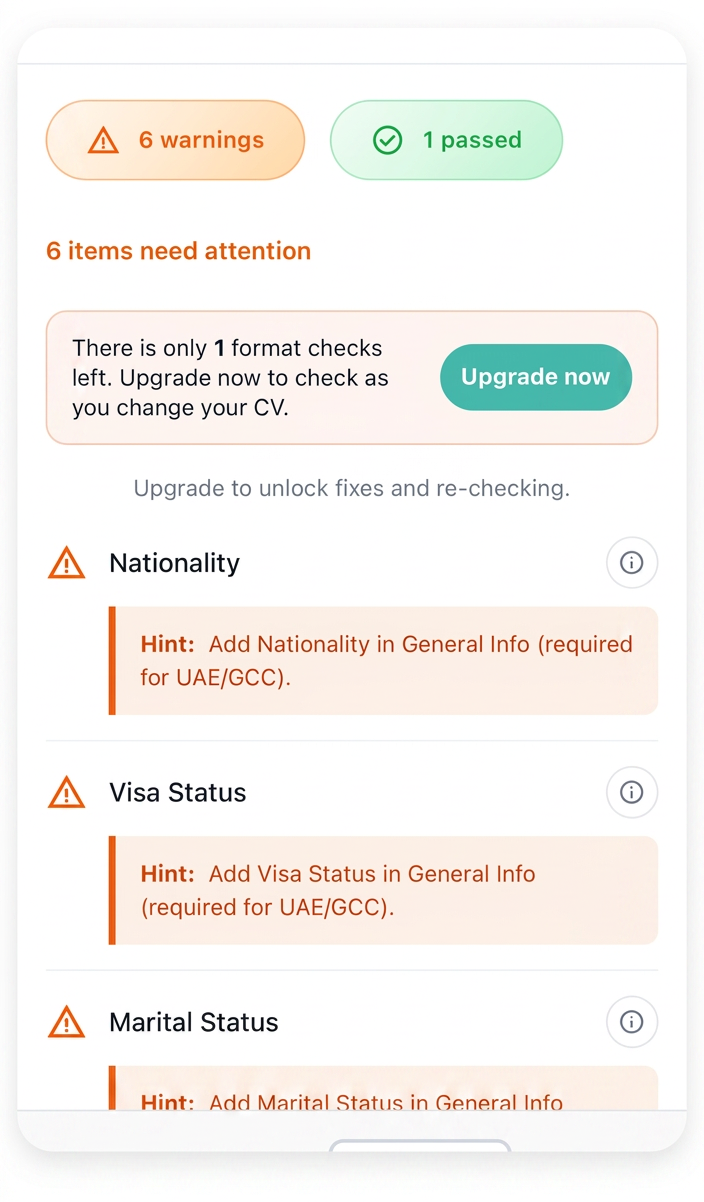
Platforms like Kudoswall can help you stay professionally prepared by offering tools like an AI resume builder, resume analyzer, and career-specific templates. So when the next chapter begins—expected or not—you’re already one step ahead.
Stay mindful. Stay ready. The future may be uncertain, but you don’t have to be.

Leave a Reply