
Disclosure: This page may contain affiliate links. We may earn a small commission at no extra cost to you. Learn more.

Let’s Be Honest—This Hurts
You didn’t see it coming—or maybe you did, but hoped it wouldn’t happen. One day you’re working on deadlines, the next you’re reading a layoff email. It’s jarring. It’s unfair. And it’s personal. Layoffs shake more than your career—they disrupt your rhythm, your confidence, and sometimes your sense of who you are.
But here’s the good news: this moment, as heavy as it feels, is also a reset button. The AI era is changing the way industries work, and while it’s pushing some roles out, it’s opening doors to others. With the right mindset, upskilling, and a plan, you can step into a role that’s not just a replacement—but a better fit for your future.
Why Layoffs Feel So Personal
A layoff can feel like a punch to the gut. It’s not just a paycheck—it’s your routine, your identity, your sense of stability. Losing it can feel like losing a piece of yourself. But here’s the truth: it’s rarely about your talent or worth. In today’s AI-driven and cost-conscious world, decisions are often purely financial. You’re still valuable, capable, and needed—and this chapter can lead to a stronger, more fulfilling next step.
First Step—Pause and Breathe
It’s tempting to jump straight into panic job applications. Don’t. Give yourself a few days to process. Talk to friends. Sleep in if you need to. This isn’t wasted time—it’s resetting your energy so you can make smarter moves next.
Use this short pause to:
- Acknowledge the change – Accept that layoffs happen, and it’s not a reflection of your worth.
- Recharge your body – Rest, eat well, and take walks to clear your head.
- Reconnect socially – Meet friends or family for a morale boost.
- Reflect quietly – Journal your thoughts to process emotions and gain clarity.
- Set a calm tone – A peaceful start will help you make more strategic job search decisions.
Take Stock of Your Skills
Grab a notebook or open a blank doc. List everything you’re good at. Don’t just write “marketing” or “project management.” Write specific wins—campaigns you improved, problems you solved, revenue you helped generate. Layoffs can strip away confidence, so this list will remind you that you still bring a lot to the table.
In today’s fast-changing, AI-driven workplace, employers value a mix of hard skills, soft skills, and tech adaptability. When you’re taking stock, think beyond your current role and include skills that will stay relevant across industries:
- Digital Literacy – Comfort with online collaboration tools, cloud platforms, and AI-powered software.
- Data Skills – Basic data analysis, reporting, and decision-making based on metrics.
- Tech Adaptability – Willingness and ability to learn new tools quickly.
- Creative Problem-Solving – Finding innovative solutions to challenges, even with limited resources.
- Communication Skills – Clear written and verbal communication, especially in remote work settings.
- Collaboration – Working well with cross-functional teams across time zones.
- Project Management – Planning, executing, and delivering results on time.
- Industry-Specific Tools – Whether it’s CRM software, design platforms, coding languages, or sales automation tools.
- Emotional Intelligence – Empathy, resilience, and the ability to navigate workplace relationships.
When you see this list written down, you’ll notice your experience is richer and more marketable than you may have thought. This is the foundation you’ll use to rebuild your career path.
Upskilling—Your Safety Net in the AI Era
If AI is reshaping industries, it’s also building entirely new career paths. Roles are evolving fast. The tools you master today could decide how secure you are tomorrow. Think of upskilling as your personal shield against future layoffs.
Start with what’s relevant in your industry, then add skills that make you adaptable anywhere. Short online courses, workshops, and certifications can give you an edge.
Here are some high-value skills to explore now:
- Python programming – Ideal for data handling, automation, and AI workflows.
- Data analysis & visualization – Using tools like Excel, Power BI, or Tableau.
- AI & machine learning basics – Understand the systems driving automation.
- Cloud computing – AWS, Google Cloud, or Azure expertise is in demand.
- Automation tools – Zapier, UiPath, or similar platforms for process efficiency.
- Cybersecurity fundamentals – Every company needs digital protection.
- Digital marketing & SEO – Especially for AI-driven campaign optimization.
- Soft skills – Communication, adaptability, and problem-solving never expire.
The more you invest in your learning, the more doors open. In a world where technology is racing ahead, staying still is the biggest risk.
Get Those Certifications
A skill is great. Proof of that skill is even better. Certifications, completed projects, and a growing portfolio send a strong message to employers—you didn’t just sit around after being laid off, you levelled up.
Make an ATS Friendly Resume
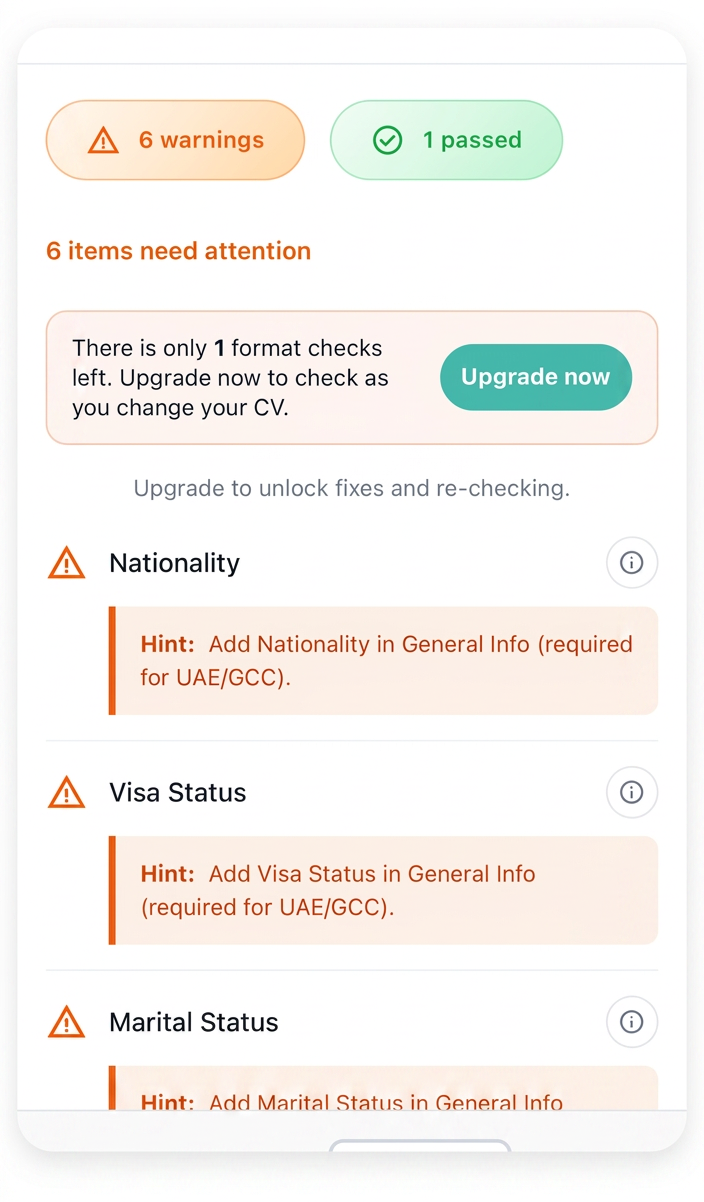
An ATS friendly resume is your ticket past the first filter. Use simple formatting. Add keywords from the job posting. Focus on measurable results, not just responsibilities. This isn’t the time for fancy fonts—it’s about being readable by both the software and the recruiter.
Start Talking to People—Before You Need Them
Networking after layoffs can feel awkward, but most people want to help. Reach out to former colleagues, industry peers, and mentors. Don’t just ask for a job—share what you’re learning, where you want to go next, and ask for advice. Conversations often lead to opportunities you won’t see online.
Fix Up Your Online Presence
Recruiters will check your LinkedIn, even before they email you. Make sure it reflects your skills and recent learning. Post something valuable once in a while—an article, a thought, or a resource you found helpful. It’s about reminding your network you’re still active and ready.
Be Strategic With Applications
Don’t fire off hundreds of resumes without thinking. Research companies that are hiring despite AI disruption. Look for industries that are growing—like healthcare tech, cybersecurity, or renewable energy. Tailor and make an ATS friendly resume and cover letter to each role. A targeted approach beats a scattershot one every time.
Prepare for AI-Screened Interviews
Yes, even interviews have AI now. That means your answers need to be clear, concise, and full of relevant keywords. Practice explaining your achievements in short, impactful sentences. Keep examples handy to show how you solve problems.
Show Your Resilience
Employers know layoffs are tough. What they notice is how you handle them. Talk about projects you took on after being laid off, new skills you picked up, or challenges you’ve overcome before. It tells them you’re adaptable—and that’s gold in a fast-changing market.
Think About a Career Pivot
Sometimes the best move is sideways. Consulting, freelancing, or joining a different industry might give you more stability. If you’ve always wanted to try something new, this could be the moment.
Keep Moving Forward
Layoffs feel like a dead end, but they’re really a detour. Keep learning. Keep talking to people. Keep applying—but with intention. The more proactive you are, the less control layoffs have over your future.
FAQ
How do I emotionally recover from a layoff?
Give yourself permission to pause. Process your emotions before rushing into applications. Talk to friends, take walks, and focus on self-care. A clear mind will help you make better career decisions.
What skills are most valuable to learn after a layoff in the AI era?
Skills in Python, data analysis, AI basics, cloud computing, and automation tools are in high demand. Pair these with soft skills like adaptability, communication, and problem-solving for a competitive edge.
How can I make my resume ATS friendly?
Use clean formatting, avoid graphics, and include relevant keywords from the job posting. Focus on measurable achievements instead of just listing responsibilities.
Is networking really helpful after a layoff?
Yes. Many job opportunities aren’t posted online. Networking builds relationships that can lead to referrals, interviews, and valuable advice during your job search.
Should I consider changing careers after a layoff?
Absolutely. Layoffs can be the push you need to pivot into a growing field. Explore industries like healthcare tech, cybersecurity, renewable energy, or consulting where demand is increasing.

Leave a Reply